Characters floating inside the holographic cabinet
An original holographic arcade game

PORTALS OF EDEN

A hologram you can play. Characters who answer back.

A hand-built holographic arcade cabinet running an original time-travel adventure — where the characters listen to your actual voice, think, and answer in their own words.

The Game

A time-travel adventure with a thesis

Portals of Eden sends the player across human history — and every era is a place where something has gone wrong, guarded by someone who won't simply be beaten.

You cannot win this game by fighting. The Ghost Pirate cannot be defeated with a weapon, and he cannot be reasoned with, negotiated with or won over. He has to be outsmarted.

So how do you outsmart something that can see, hear, and even think about you?

Everyone else can be reached. Earn trust, offer protection, learn a name, find out what someone is actually afraid of — characters change their minds about you, and they remember that they did. Combat exists and is deliberately the least rewarding verb in the game. The conversation engine, the disposition model and the NPC memory all exist to make the social path the rich one.

He is the exception. That is what makes him the boss.
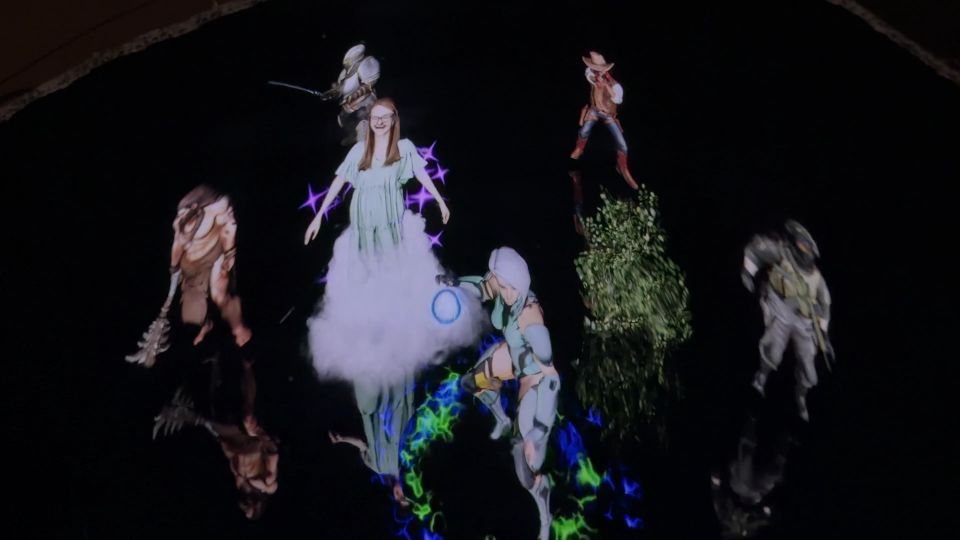
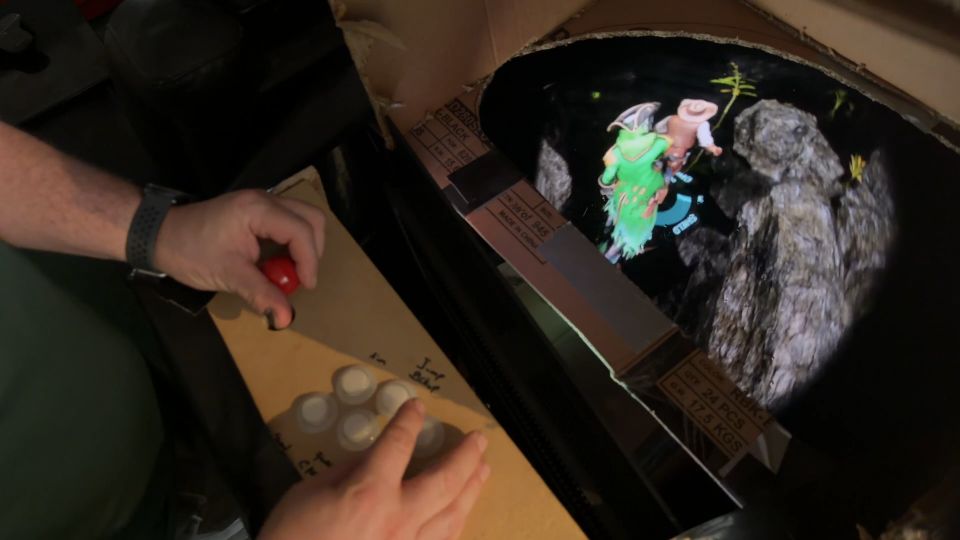
Gameplay inside the holographic cabinet
In-game capture Live play inside the cabinet
The Cabinet
▣ The cabinet in 3D viewable in AR on a phone

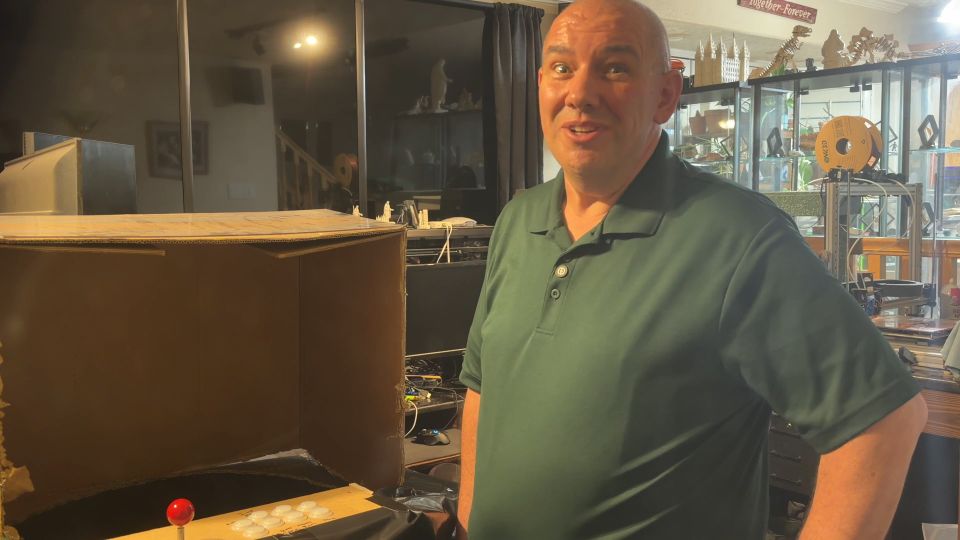
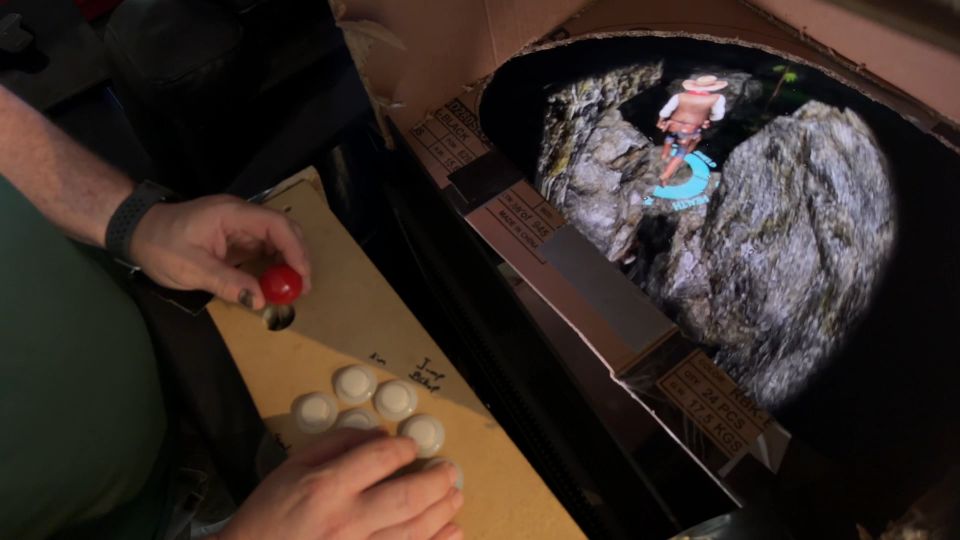
Built by one man, sticks, and cardboard.

The developer beside the finished cabinet
In-game capture The cabinet in the arcade room

The characters are not on a monitor. They stand in the air inside the machine, reflected off a curved mirror, in real volumetric space.

A concave display mirror bends whatever you show it. So the game renders the world pre-bent the opposite way — a real-time geometric correction that cancels the optics before the light ever reaches the mirror, calibrated to this specific cabinet and saved to disk.

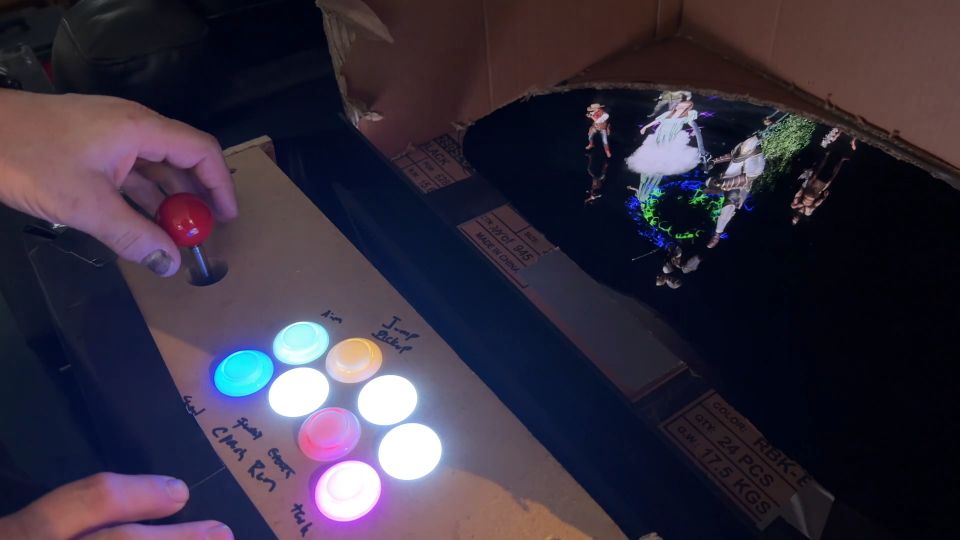
The controls are a genuine arcade stick and buttons, with one modification I made myself: the ball on top of the joystick spins. Push it to move, spin it to look around. The button lighting is driven by the game. This is a spiritual successor to the holographic cabinets of the early 1990s — built the way that generation of machines wanted to be built, with thirty years of technology they never had.

Arcade controls
In-game capture Hand-wired stick and buttons
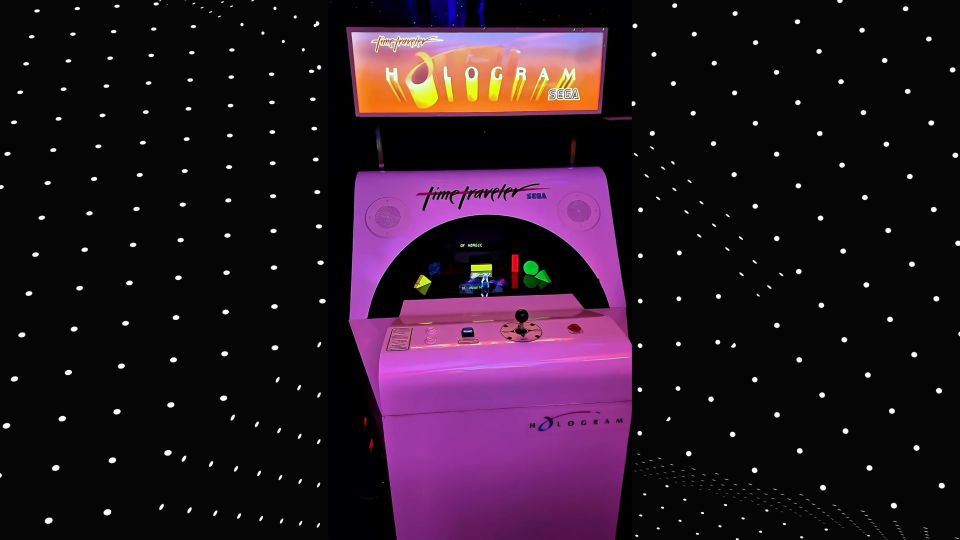
An original 1991 holographic arcade cabinet
Reference The 1991 machines that inspired it
Play session in the cabinet
In-game capture A world rendered in the cabinet
Living Characters
◉ Meet the characters

They hear you. Actually you. And they respond.

Speak into the cabinet and the character in front of you hears your real voice, thinks about it on the machine standing in the room, and answers out loud in a voice of their own. Nothing is pre-scripted. Nothing leaves the building.

Runs entirely offline

A local language model drives every conversation. No cloud service, no API bill, no internet connection required. The arcade machine is self-contained — you could run it in a room with no network at all.

They remember you

Characters carry their own histories, moods and opinions, and their memory of a conversation survives death, respawn and travel between worlds. Insult someone in one era and they will still be cold with you later.

Their mouths follow their voice

Lip movement is driven by the live loudness of the audio actually being spoken, per character, so a figure only moves its mouth while it is genuinely the one talking.

Persuasion is a mechanic

Convincing a character of something is not a dialogue tree. What you actually say changes their disposition toward you, and a sufficiently persuaded character will do things for you that no menu option offers.

Some of them still sing

Not on request, and not for just anyone — a character has to trust you first, and some of them have very good reason to have stopped. Ask the right one at the right moment and you will hear something rare. Ask the wrong one, and you may find out why they went quiet.

They can see

A vision model gives characters visual context about the scene in front of them, so what they say is in response to what is actually happening around the player.

Built & Playable

Two complete worlds — The Age of Pirates and Which Witch — plus a working character-select system.

Both worlds are complete and playing in the cabinet today — world, characters, conversation, objectives and an ending.

Click any world to browse screenshots taken from the cabinet.

The Road Ahead

Twenty more eras concepted

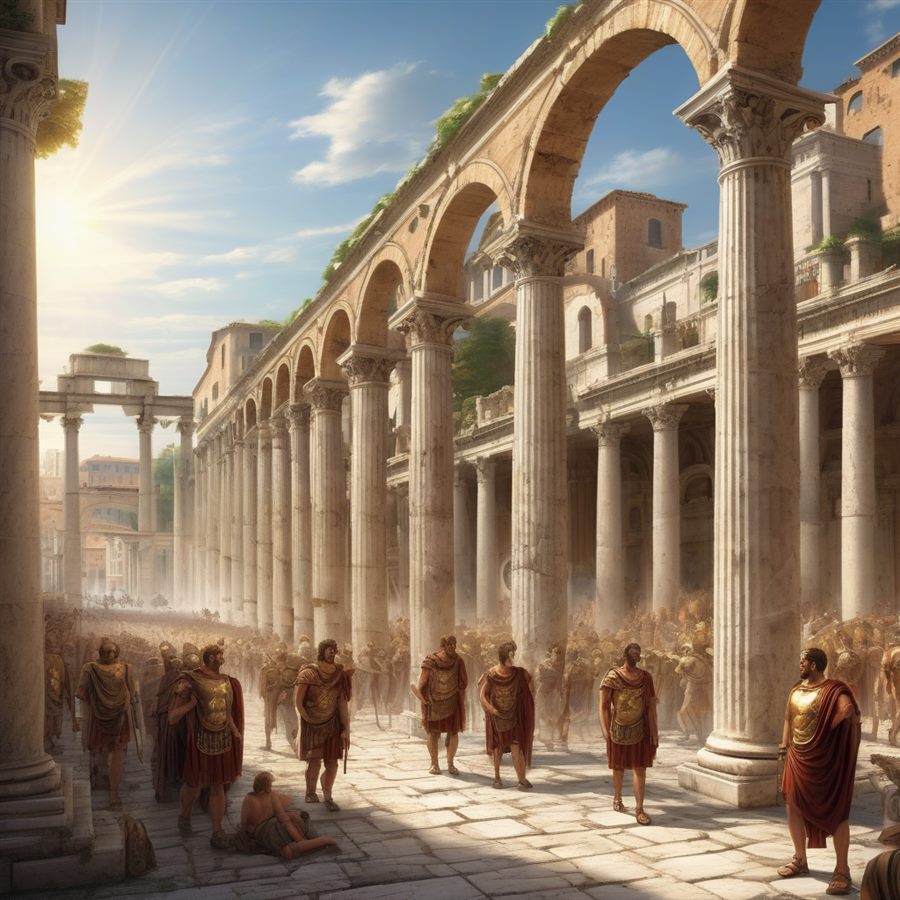
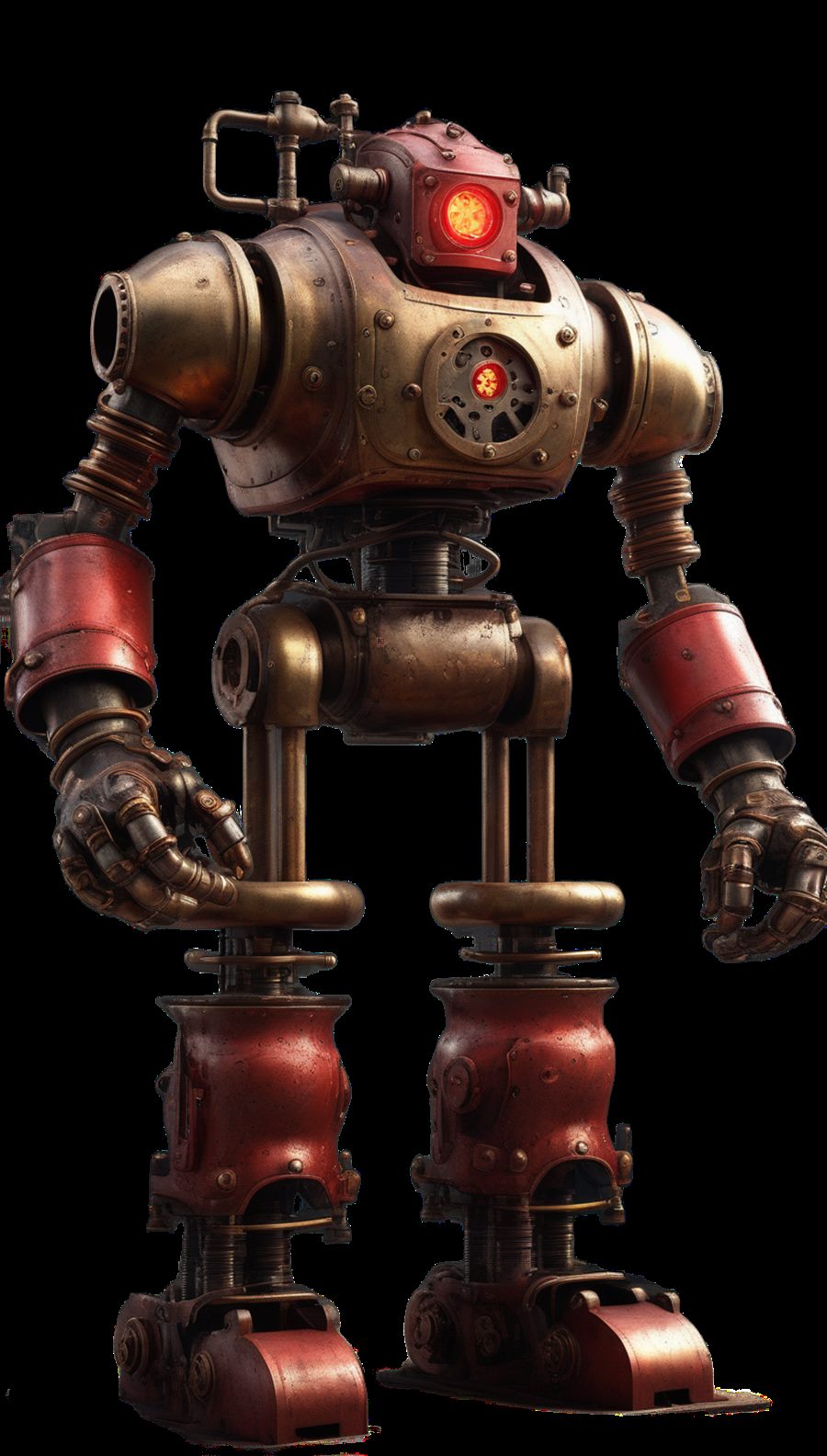
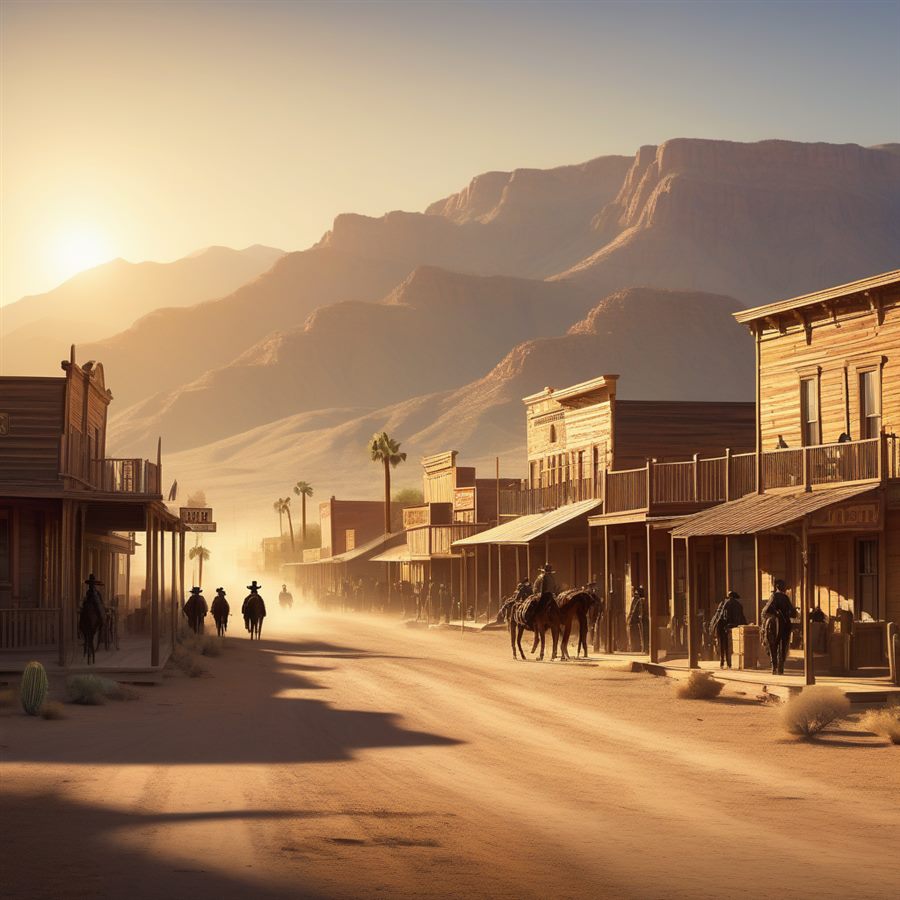
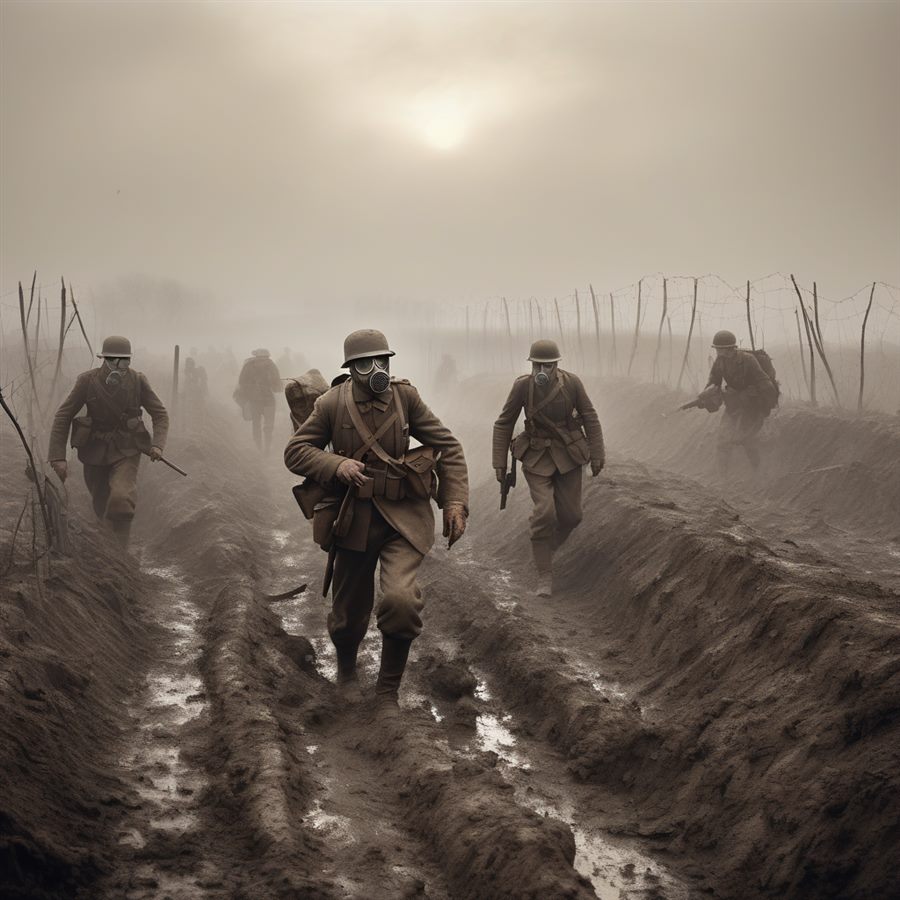
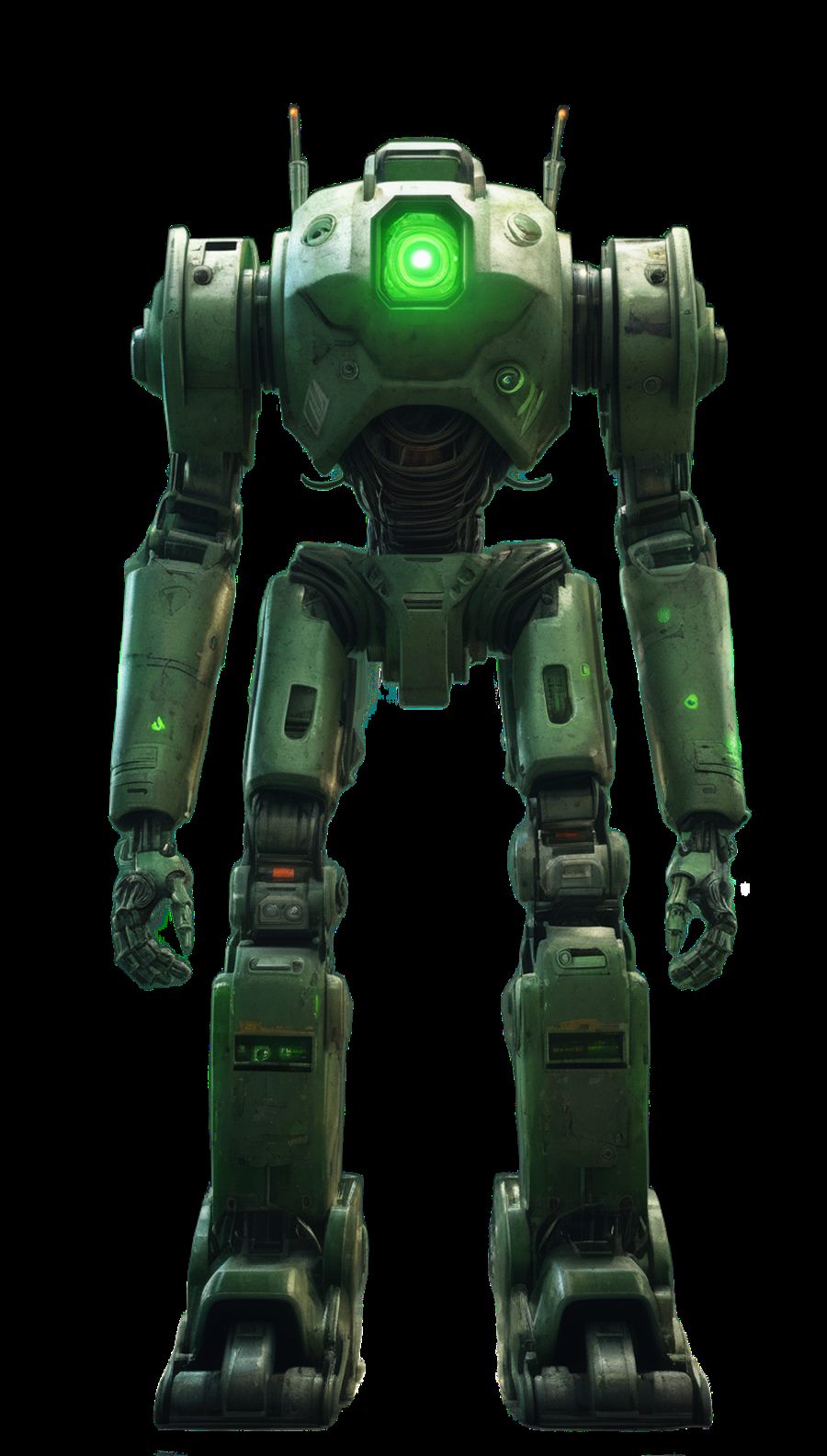
The pipeline that produced the finished worlds — concept art, sculpting, rigging, retargeting, into the engine — is proven and repeatable. These twenty eras have art direction and boss design. They are the queue.

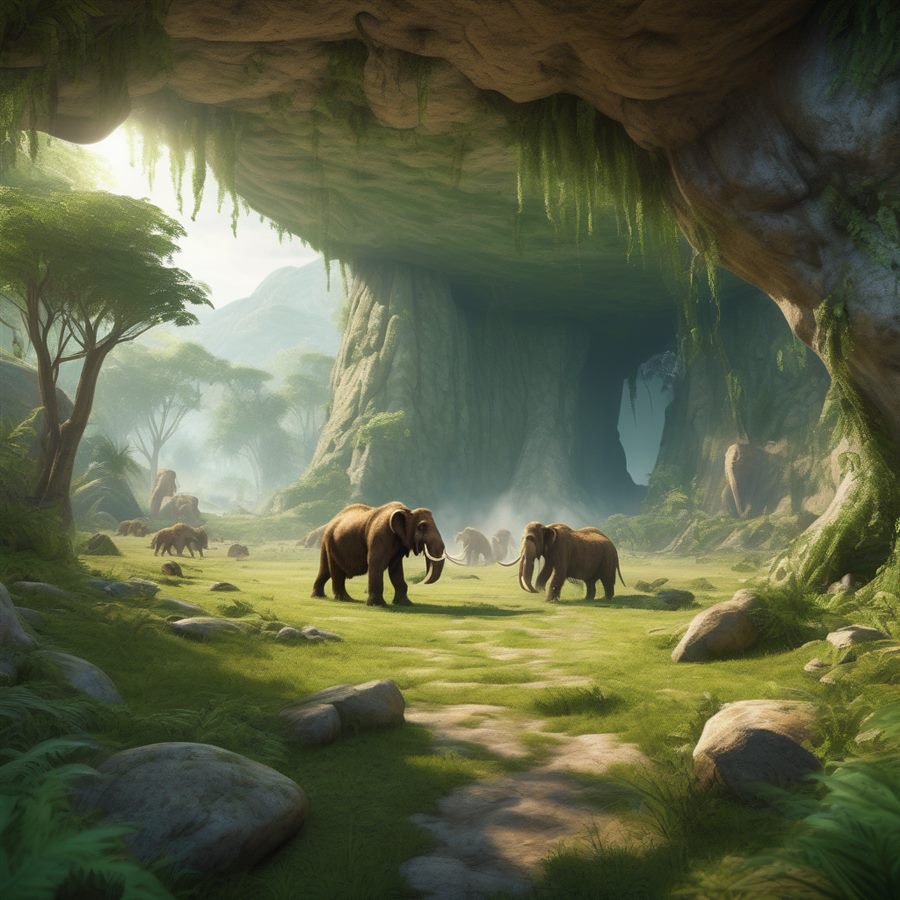
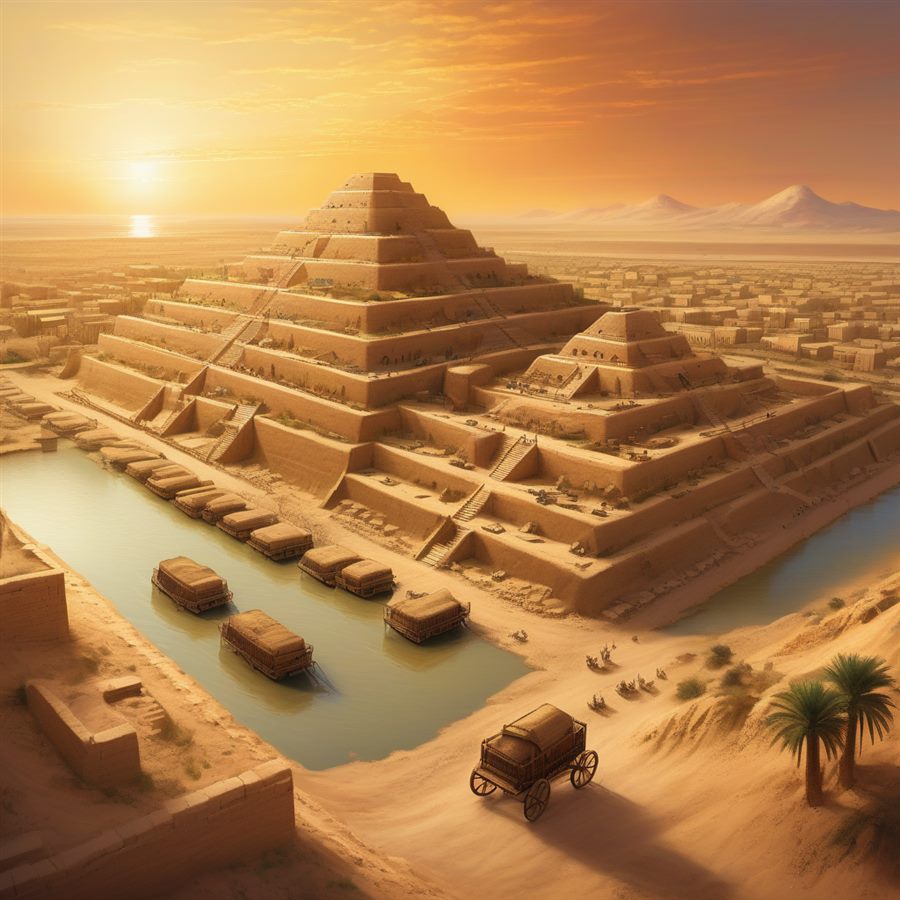
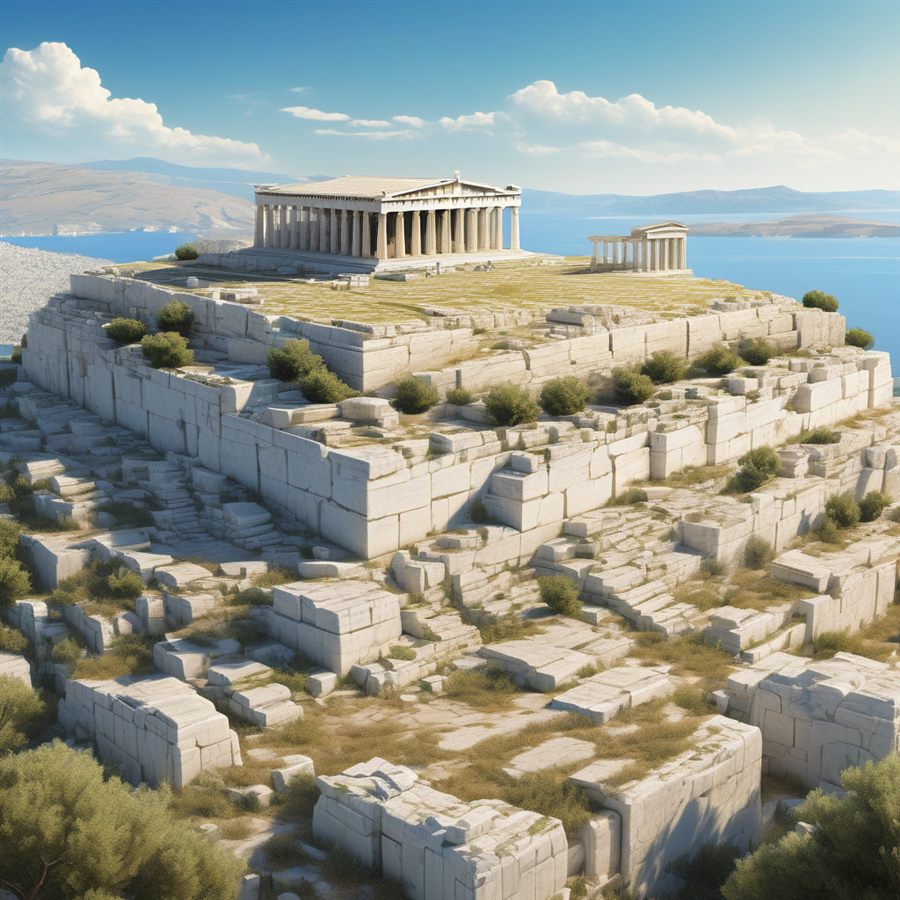
Concept art Pre-production imagery. Not gameplay, and not final.

Prehistoric Era concept art
Prehistoric Era
Ancient Mesopotamia concept art
Ancient Mesopotamia
Ancient Egypt concept art
Ancient Egypt
Ancient Greece concept art
Ancient Greece
Roman Empire concept art
Roman Empire
Viking Age concept art
Viking Age
Medieval Europe concept art
Medieval Europe
Renaissance Italy concept art
Renaissance Italy
American Revolution concept art
American Revolution
Industrial Revolution concept art
Industrial Revolution
Wild West concept art
Wild West
World War I concept art
World War I
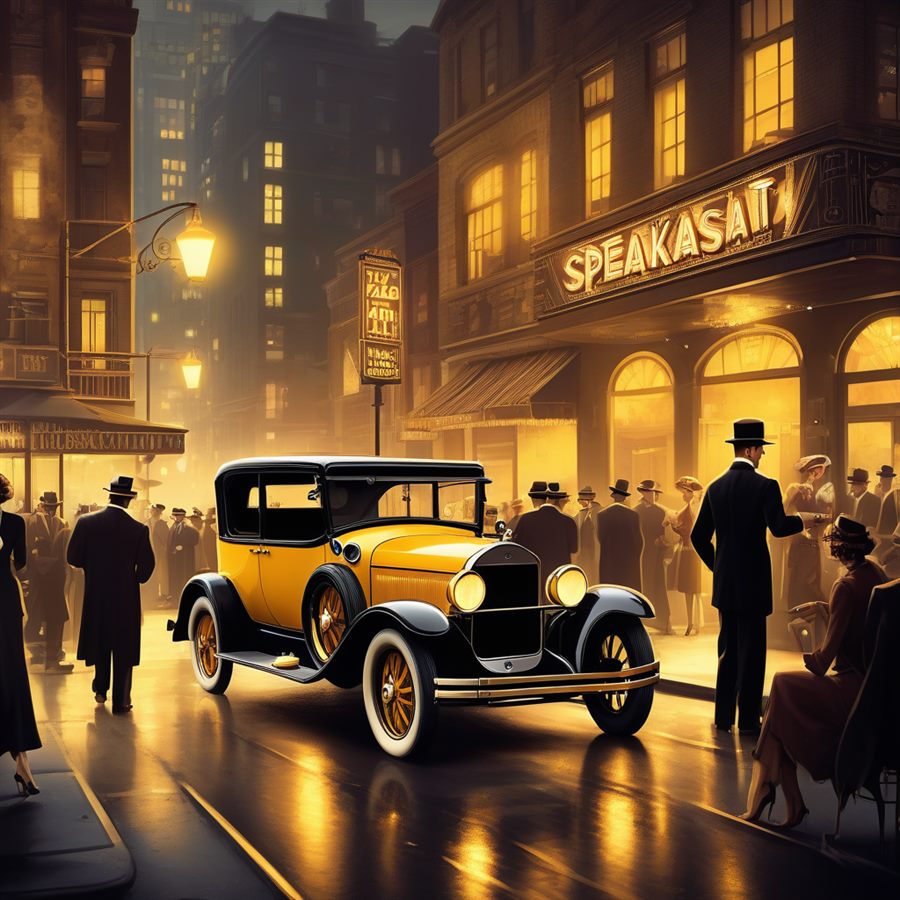
Roaring Twenties concept art
Roaring Twenties
World War II concept art
World War II
Cold War concept art
Cold War Era
Space Race concept art
Space Race Era
Modern Day concept art
Modern Day
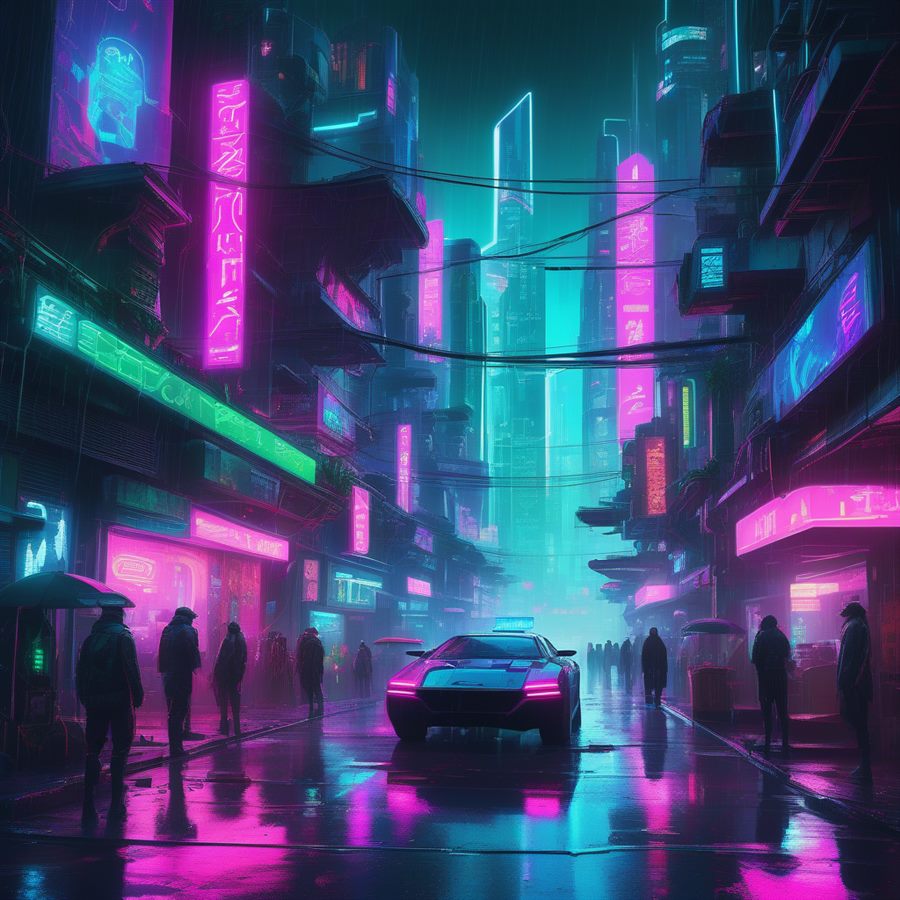
Cyberpunk Future concept art
Cyberpunk Future
Dystopian Future concept art
Dystopian Future
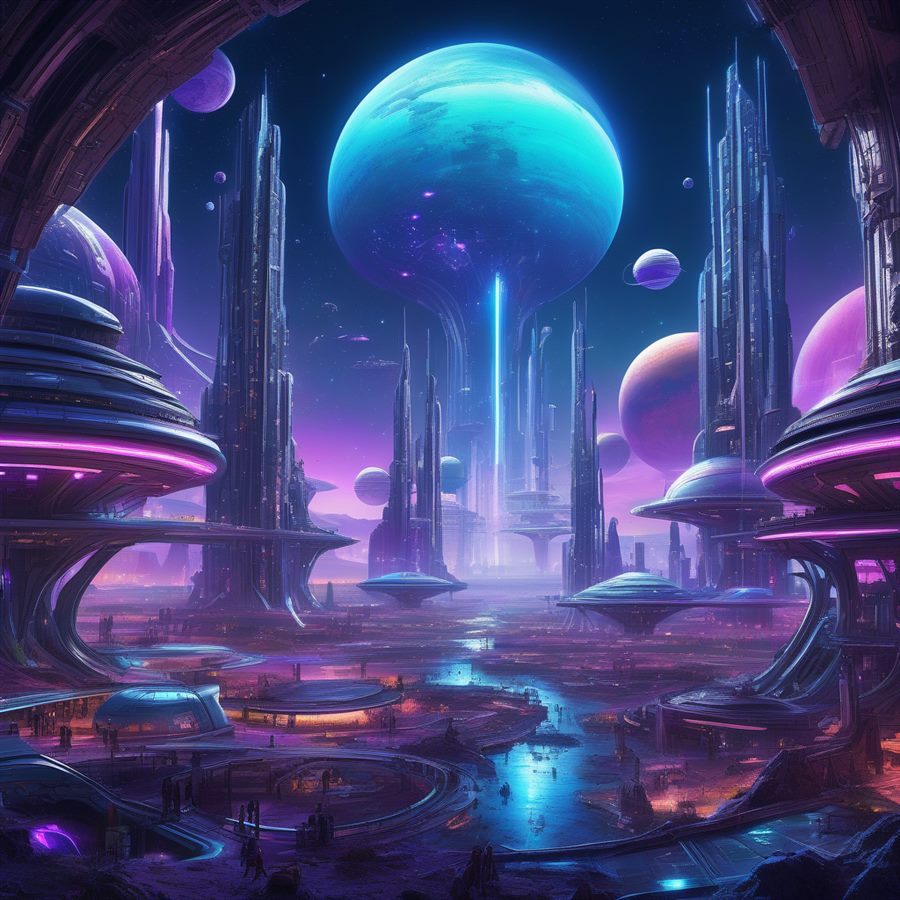
Far Future concept art
Far Future
Under the hood

Built in Unreal Engine

Custom character brain

One universal controller drives every non-player character — perception, disposition, states, moods, weapons and per-character triggers — so a new character is configured, not programmed.

Real-time optical correction

A dedicated runtime pre-warps the rendered image to cancel the cabinet's mirror geometry, with live calibration and per-cabinet settings saved to disk.

Voice in and voice out

Local speech recognition, a local language model and local text-to-speech, chained together with streaming so characters begin answering before they have finished thinking.